
https://www.aconfront.com/the-scientific-impact-of-lighting-on-human-emotions-and-well-being-an-ultimate-guide/
Light is one of the most influential emotional regulators in space, and its effects on psychology and physiology have been extensively confirmed by scientific research. The following objectively analyzes the core mechanism of how lighting affects emotions and provides actionable lighting design suggestions to help you create a healthier and more comfortable living environment.
1. Color temperature determines atmosphere: Why is warm light more likely to trigger a sense of relaxation?
Scientific research has shown that the color temperature of light (measured in Kelvin K) directly affects the neural response of the human body. Warm light (2700K-3000K) has a spectrum similar to that of firelight, which can trigger neural regions in the brain related to security, promote melatonin secretion, thereby reducing heart rate and relieving stress. In contrast, cool white light (above 5000K) enhances alertness and may trigger anxiety. Therefore, in areas such as bedrooms and living rooms that require relaxation, choosing warm lighting fixtures can significantly enhance the comfortable atmosphere of the space.
2. The correlation between natural light deficiency and mental health

The blue light component in natural light is crucial for regulating the human biological clock. Long term lack of natural light may lead to Seasonal Affective Disorder (SAD), characterized by symptoms such as low mood and fatigue. Research has found that receiving moderate amounts of natural light every day can increase serotonin levels and improve mood. If indoor lighting is insufficient, adding light colored walls, mirror reflection, or using full spectrum lighting fixtures to simulate natural light can help maintain psychological balance.
3. Color Psychology: How Different Light Colors Shape Emotions?
The color of light affects the visual cortex of the brain, thereby altering emotional states
Orange light: Inspires warmth and vitality, suitable for restaurants or social spaces;
Purple light: Creating mystery and tranquility, helping to enhance the private atmosphere of the bedroom;
Blue light: enhances concentration, suitable for study or work areas.
Please note that colored light should be used as a local accent to avoid extensive use and prevent visual fatigue. Adjustable color temperature lamps are an ideal choice as they can flexibly adapt to different scene requirements.

4. The impact of lighting levels on spatial emotions
A single overhead light can easily cause harsh lighting and create a sense of oppression; Layered lighting (main light+auxiliary light+decorative light) can enrich spatial expressions through light and shadow changes. For example:
Kitchen countertop: Install light strips to enhance functionality and reduce the interference of shadows on emotions;
Living room reading corner: paired with floor lamps to create soft lighting and promote relaxation;
Bedroom: Use bedside wall lights instead of strong light to create a sleeping environment.
Layered lighting not only enhances practicality, but also makes the space more breathing through the contrast of light intensity.
5. The implicit connection between lighting layout and mental health
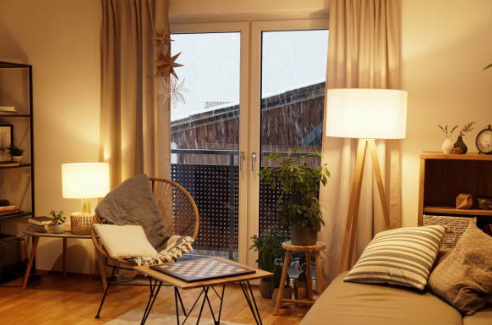
The contrast and distribution of light and dark can subconsciously affect people’s psychological feelings. Distributed warm light design (such as desk lamps and string lamps) can effectively soften spatial lines and reduce visual pressure by reducing environmental contrast. Concentrating strong light may highlight the clutter in the environment and trigger irritability. Therefore, when designing lighting, it is important to avoid using a single light source and create a comfortable balance of light and shadow through the combination of multiple light sources.
Scientific use of light to create emotionally friendly spaces
The impact of lighting on emotions is the result of the combined effects of physiology and psychology. By selecting color temperature reasonably, introducing natural light, applying color psychology, and optimizing lighting levels, we can create a living environment that better meets psychological needs. Whether it is improving sleep quality, enhancing work efficiency, or creating a social atmosphere, lighting can become an effective tool for scientifically regulating emotions. Try adjusting the lighting scheme according to different scenes, and you will find that small changes in space may bring significant emotional improvements.
https://www.aconfront.com/the-scientific-impact-of-lighting-on-human-emotions-and-well-being-an-ultimate-guide/