
https://www.aconfront.com/the-ultimate-guide-to-mastering-home-lighting-design/
Why should lighting fixtures match the style of your home?
Lighting may seem primarily practical, but when you actually arrange it, you’ll find it’s just as important as “space decoration.” If your lighting fixtures match the style of your home decor , it will soften the visual layers of the entire space and make it more pleasing to the eye, like a jigsaw puzzle finally being completed.
However, if the lighting fixtures clash in style or are too eye-catching, they can ruin the aesthetic that has been painstakingly created.
A designer once said that lighting fixtures are more like “jewelry” in a home—they can enhance the ambiance, but shouldn’t overshadow the main elements. I think that’s quite apt.
First, figure out your home decor style (this is really important).
Before choosing lights, ask yourself: What style does my home decor belong to?
Here’s a summary of some common categories—
Modern/Minimalist style : clean lines, simple shapes, and predominantly neutral colors.
Industrial style : metal structures, exposed light bulbs, and a rugged aesthetic.
Scandinavian style : wood, natural materials, and soft textures.
Traditional/Classic style : crystal, carvings, and vintage metal.
Bohemian/Handmade style : rattan, weaving, and natural textures.
Country/Farmhouse style : rustic metal, wood, and warm color palettes.
Once you’ve defined your style, your choices regarding the material, shape, and metal finish of the lamps will naturally become clearer, making it less likely you’ll make a mistake.
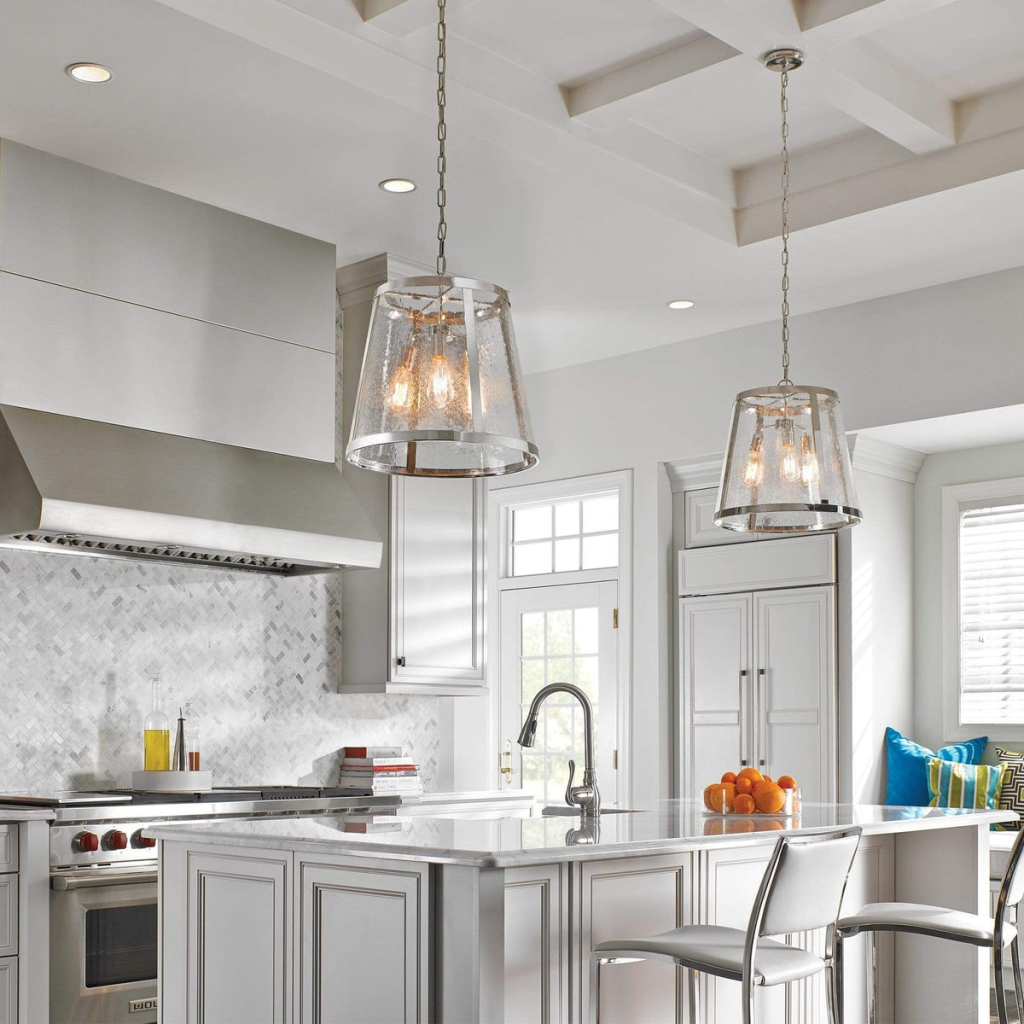
Lighting layering: Functionality and aesthetics must be considered simultaneously.
Good lighting design is never just about “buying a big chandelier.” It generally uses three types of lighting:
Ambient light
Task light
Emphasize light (accent)
A combination of ceiling light, floor lamp, and wall lamp is much more comfortable to use than a single lamp, and it also makes life more flexible.
In addition, don’t overlook technical specifications such as brightness, color temperature (Kelvin), and color rendering index (CRI). Style alone isn’t enough; practicality must also be considered.
The size, proportion, and placement of the lamps
The size and proportion of light fixtures actually hold a lot of wisdom. Don’t hang huge lights in small rooms, and a small one in a large living room will make it look lonely.
If your ceiling is low, it is recommended to choose a ceiling light or a semi-recessed ceiling light to avoid visual oppression.
The “logic” of lighting fixtures differs in different areas, for example:
A pendant light should be placed over the dining table (the height needs to be carefully considered).
Place a wall lamp or floor lamp next to the sofa.
Recessed lights will create a softer atmosphere in the hallway.
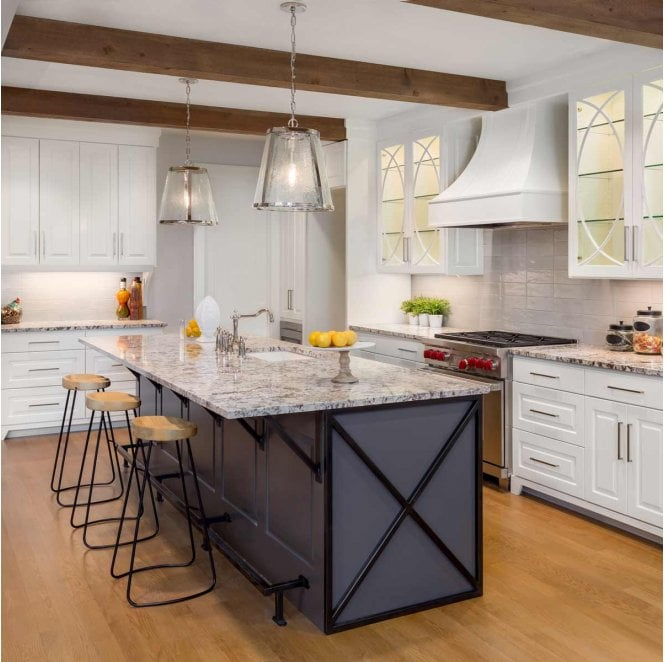
Materials and finishes: the soul of style
Metal finishes in
black, gold, bronze, chrome… these shades should coordinate with other metal elements in your home, such as door handles and cabinet hardware. For
natural materials
, if you have a Scandinavian, Bohemian, or country style, wood, rattan, ceramic, and fabric lamps are generally a safe bet.
For glass/crystal
, if you want something more luxurious or “classic,” go for a crystal chandelier. For a modern style, transparent spherical glass is also very versatile.
Unified style vs. Eclectic: Which strategy to choose?
Unified style
Using the same metallic color and the same style of lighting fixtures throughout the entire house is the safest approach and the easiest way to ensure spatial harmony.
Eclectic style
You can also use different styles in different spaces, as long as you always maintain some common elements, such as repeating two materials or linear structures.
But one thing to note:
don’t let every lamp come from the same series, otherwise it will look too “set up” and become a bit monotonous after a while.
Safety and practicality: Neither can be ignored
Lighting fixtures are electrical appliances, so safety should always be the top priority. When purchasing, carefully check the quality certificate and certificate of conformity.
(Sina Home Decoration)
Functionality should also be based on the room:
Kitchen → Strong task lighting (track lights or pendant lights are both acceptable)
In the bedroom, a soft light + bedside lamp
with a dimmer switch or a dual-circuit switch is also very practical, allowing you to switch between different atmospheres.
Recommended lamp styles (easy to use)
Scandinavian-style wooden pendant light : refreshing and natural, a must-have for Scandinavian style.
Moroccan Brass Pendant : Can be styled in exotic or bohemian styles.
Modern Rustic Crystal Chandelier : A touch of modern luxury.
Seeded Glass Black Steel Pendant Light : Suitable for industrial, modern, and minimalist styles.
Boho Rattan Wicker Pendant Lamp : A must-have for bohemian and country styles.
Adjustable Track Pendant Light : A modern and industrial practical solution.
Ascher 8-Light Chandelier : A classic 8-light chandelier – a safe choice for both traditional and neoclassical styles.
Summarize
First, determine your home decor style, and use it to guide the selection of lighting materials, shapes, and finishes.
Layered lighting (ambient + task + accent) makes the space more comfortable.
The proportions of the lighting fixtures should match the size of the room and the height of the ceiling.
The materials and metallic finishes must match the overall style.
Whether to go for a unified or eclectic style depends on your aesthetic sense and overall house planning.
Practicality and security should always be the top priorities.
The recommended styles can serve as a starting point and help you decide on your direction more quickly.
https://www.aconfront.com/the-ultimate-guide-to-mastering-home-lighting-design/