
https://www.aconfront.com/the-ultimate-guide-to-chandelier-design-installation-and-appeal/
As the finishing touch of home space, chandeliers can enhance functionality and add style charm. Whether it’s a kitchen island, dining room, or living room, avoiding common misconceptions during installation is the key to making the chandelier work perfectly. Today, we will analyze the 5 most common mistakes when installing chandeliers to help create lighting effects that combine aesthetics and functionality.
1、 Choosing the wrong size: disrupting spatial balance
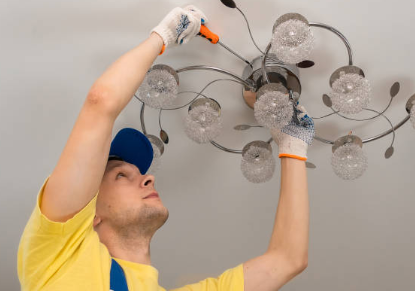
Choosing an improperly sized chandelier is one of the most common errors in installation. A too large chandelier can make the space appear crowded and oppressive, while a too small chandelier cannot provide sufficient lighting and may even appear out of place.
Why size is important: Incorrect size not only affects design balance but also interferes with functionality. Overly large chandeliers dominate the space, creating a sense of clutter that is overwhelming; The small chandelier lacks sufficient lighting and is visually uncoordinated.
Correct selection method: Carefully measure the space. To calculate the ideal size of a chandelier, you can refer to the formula: add the length and width (in feet) of the room, and convert the total to inches to obtain the appropriate width of the chandelier. For example, a room measuring 12 x 10 feet would be more suitable with a 22 inch wide chandelier. If installed on the kitchen island, it is necessary to ensure that the width of the chandelier does not exceed one-third of the width of the island.
2、 Hanging at the wrong height: both lighting and aesthetics are lost
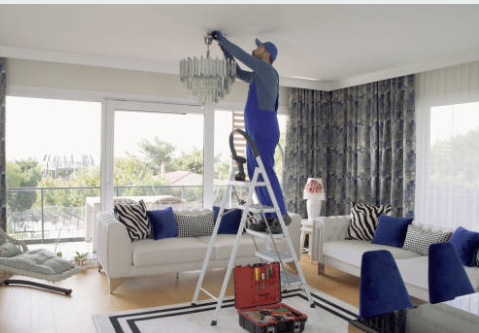
The hanging height of the chandelier is incorrect, which can result in poor lighting effects, inconvenient use, or visual imbalance. It is ideal for the bottom of the chandelier to be 28-34 inches away from the countertop above the kitchen island or dining table. If the ceiling height exceeds 8 feet, for every additional foot, the hanging height of the chandelier needs to be increased by 3 inches.
Error avoidance technique: Use adjustable suspension ropes or chains to increase flexibility; Before fixing the height, observe the overall effect by stepping back to ensure symmetry and balance.
3、 Ignore lighting hierarchy: spatial brightness imbalance
Relying solely on pendant lighting can easily result in insufficient or uneven distribution of spatial light. Although chandeliers are suitable for task lighting, they need to be matched with ambient light and accent light to create a coordinated lighting effect.
Lighting layering method: match pendant lights with embedded ceiling lights to evenly diffuse light; Add cabinet bottom lights in the kitchen to meet operational needs. In addition, choosing a dimmable pendant light allows for easy switching between practical lighting and ambient lighting modes.

4、 Inappropriate spacing: both functionality and aesthetics are compromised
Unreasonable spacing between chandeliers can cause dual damage to functionality and aesthetics. Taking the kitchen island as an example, the center to center distance of the chandelier should be maintained at 24-30 inches (measured from one lamp center to another lamp center), and at least 6 inches of space should be reserved at the edge of the island.
Method for achieving reasonable spacing: Divide the length of the kitchen island evenly based on the number of chandeliers; Before installation, use painters’ tape to mark the position on the ceiling and preview the layout effect in advance.
5、 Skip compatibility and security checks: bury hidden dangers
Failure to check the compatibility of pendant lights with ceiling types, circuit wiring, or room design may result in installation issues or safety risks.
Key considerations: Confirm that the chandelier is compatible with sloping or arched ceilings; Can the wired core support the wattage and weight of the pendant light; Check the compatibility between the dimmer switch and light bulbs, especially LED bulbs.
Safety Tip: Hire certified electricians for complex installations to avoid wiring errors; Select lighting fixtures with UL certification to ensure safety and compliance.
Additional suggestions for kitchen island installation
Style matching: Choose pendant lights that match the kitchen decor style to create a sense of unity. Modern kitchens are suitable for stylish metal texture chandeliers; In rural style spaces, chandeliers with glass or wooden elements are more eye-catching.
Light bulb selection: Choose warm or cool toned light bulbs based on the desired atmosphere.

frequently asked questions
What is the optimal hanging height for kitchen island pendant lights?
To achieve optimal functionality and visual effects, the pendant light should be hung 28-34 inches above the countertop.
How many pendant lights should be installed above the kitchen island?
This depends on the length of the island. Generally speaking, leave 24-30 inches of space between chandeliers; For island platforms with a length of less than 5 feet, installing two pendant lights is sufficient.
Can a pendant light be installed on a sloping roof?
Sure, but you need to choose a pendant light that is adjustable or compatible with a sloping roof to ensure that the hanging is aligned.
Do pendant lights need to be matched with other ceiling lights?
Although not requiring complete consistency, coordinated finishes, styles, or colors can create a harmonious visual effect.
Is the chandelier energy-efficient?
Most modern chandeliers use LED bulbs, which are energy-saving and have a long lifespan.
The key to installing chandeliers is to avoid these 5 common mistakes. From size selection, height adjustment to safety checks, every detail needs to be carefully planned. Only in this way can chandeliers become the focus of space design, whether it is the kitchen island or other areas, can make home lighting both practical and aesthetically pleasing, perfectly enhancing the living experience.
https://www.aconfront.com/the-ultimate-guide-to-chandelier-design-installation-and-appeal/