
https://www.aconfront.com/the-ultimate-guide-to-lighting-materials-craftsmanship-and-selection/
In interior design, lighting is almost a soul. It illuminates a space, but it goes far beyond simply providing brightness. Good lighting can evoke emotions, enhance the texture of materials, and even transform the atmosphere of a room.
The “character” of light often lies not in the bulb itself, but in the layer that envelops it—the material of the fixture. Like a sculptor of light, different materials imbue it with distinct expressions: the purity of glass, the warmth of brass, the softness of acrylic…
Simply put, materials determine the direction of light and the soul of a home. A brass chandelier can add a touch of retro charm to a living room, while a frosted glass wall lamp can soften shadows and make the space appear lighter.
If you’re hesitant about choosing a light that’s both aesthetically pleasing and durable during your renovations, it’s helpful to first understand the logic behind furniture materials . This article will help you understand the secrets of lighting materials from both an aesthetic and practical perspective.
Material Overview: Those Misunderstood “Carriers of Light”
1 Common lighting material types
Common materials for lighting fixtures can be roughly divided into three categories:
Translucent materials : Glass, acrylic, and fabric are the “expressive muscles of light,” determining light distribution and brightness levels. Glass lampshades often create a sense of transparency, while acrylic is softer and less glaring, making it suitable for bedrooms or children’s areas.
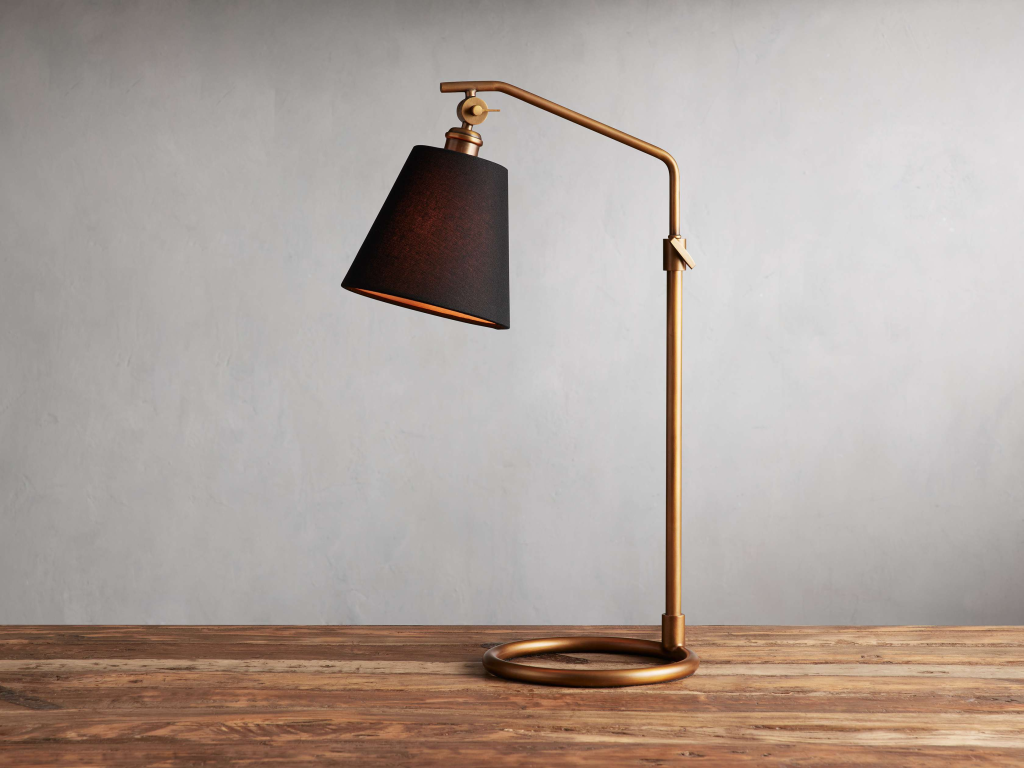
Metal materials include brass, stainless steel, and aluminum alloy. They provide structural support and serve as the “skeleton and exterior” of the lamp. Different surface finishes can create diverse styles, from a cool industrial vibe to a warm, luxurious feel.
Auxiliary materials : natural elements such as ceramics, wood, stone, and bamboo can make lamps more “warm”, especially in modern minimalist or Japanese-style spaces, they are often used as atmosphere embellishments.
2 Common Misconceptions and Truths
Misconception 1: Metal lamps are bulky.
This is no longer the case. Modern metalworking technology is highly sophisticated, and lightweight aluminum and stainless steel have been used to create lamps that are both stable and lightweight. Many modern chandeliers achieve the illusion of being heavy, yet lightweight.
Misconception 2: Plastics are synonymous with cheapness
. If you still think this, you’re wrong. Engineering plastics like PC (polycarbonate) and PMMA (plexiglass) not only have excellent light transmittance but are also heat-resistant and shatter-resistant, and are used by many high-end lighting brands.
Myth 3: Brass lamps never rust
. Brass is indeed corrosion-resistant, but it doesn’t always look like new. If the environment is humid or the air is acidic, regular maintenance is still necessary. High-quality brands use glazing or plating to extend the life of the lustre.
Analysis of mainstream materials: “optical language” from metal to glass
1. Metal material: structural beauty that combines both rigidity and flexibility
Brass and copper alloys: A warm, vintage charm.
Its rich texture and warm color soften the light, adding a touch of gold. In a living room or study, it exudes a touch of old-world elegance. Paired with leather or marble furniture, it creates a luxurious feel.
Stainless steel and aluminum:
These metals often feature brushed or mirrored finishes, reflecting light cleanly and adding a touch of technological coolness. They’re perfect for modern and Nordic-inspired spaces.
2 Crystal Material: Light’s “Emotional Filter”
Glass lampshades: The material that best understands light.
Clear glass focuses light and increases brightness, while opalescent or frosted glass softens it and reduces glare. Glass of varying thickness and transparency can also transform the atmosphere of a space. When choosing glass, pay attention to its uniformity and purity. The fewer impurities, the purer the light.
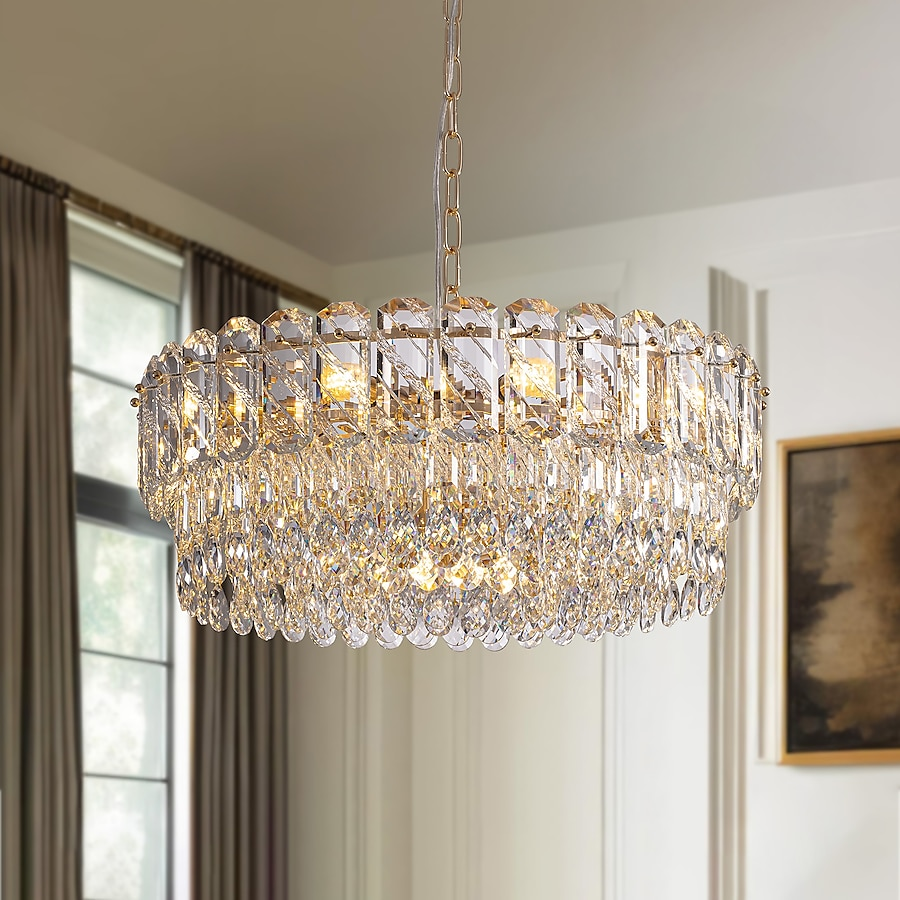
Crystal Chandeliers: Magnificent Light Refraction
. Crystal chandeliers always have their place on the stage. The high refractive index of crystal can break down light into a dazzling array of shadows, making them particularly suitable for living rooms or dining areas.
3 Natural materials: let light “breathe”
wood and woven bamboo
have warmth and a story to tell. They blend harmoniously with natural textures and exude a subtle woody fragrance. When light filters through the gaps in the woven bamboo, the shadows cast on the wall seem to breathe, creating a truly soothing experience.
Ceramics and stone
are heavy and stable, and their light is more focused, emphasizing the shape of the lamp rather than its brightness. They are suitable for pairing with velvet or heavy furniture to create a quiet and classic space.
Materials and optics: the gentle logic behind science
1. Balance between light and light transmittance
The light transmittance of different materials determines the “light character” of a lamp. Glass and acrylic offer high light transmittance, while frosted glass diffuses light, creating a softer effect.
2 Thermal stability and safety of materials
Don’t neglect safety. Lamps generate heat over long periods of time, requiring the material to withstand high temperatures. Choose products that meet national safety certifications (such as the CCC mark) to ensure they won’t deform or leave marks during use.
3 Environmental adaptation and persistence
Humidity and temperature fluctuations can affect the material of a lamp. Metal needs to be rust-proofed, and wood needs to be crack-proofed. When purchasing, check to see if the manufacturer indicates moisture-proof or anti-oxidation treatment.
Purchase and maintenance: keep the lights shining for a long time
1 Tips for material selection
High-frequency use areas : Prioritize metal structures and durable, light-transmitting material combinations.
Children’s room : Choose shatter-resistant, soft-light acrylic lamps.
Wet areas (bathrooms, balconies) : Use moisture-proof stainless steel or corrosion-resistant plastic.
Style Matching :
Classic style: brass, crystal, ceramic.
Modern style: aluminum alloy, steel, acrylic.
Industrial style: metal grid + retro light bulb combination.
2 Maintenance points
Metal lamps : Brass needs to be wiped occasionally to prevent oxidation, while stainless steel can be cleaned with a dry cloth.
Fabrics and bamboo weaving : Dust regularly and keep away from moisture.
Glass and crystal : Use a designated cleaner, but be careful not to allow the liquid to seep into electrical components.
Conclusion: Only by understanding materials can we understand light
Choosing a lamp isn’t just about appearance. It’s the interplay between light and material that truly defines the character of a space.
Different materials influence the color, diffusion, and temperature of light; they also influence safety and durability.
There’s no single “best” material, only the most suitable.
By understanding the trade-offs and the right combinations, you can imbue every beam of light in your home with its own warmth and story.
https://www.aconfront.com/the-ultimate-guide-to-lighting-materials-craftsmanship-and-selection/