
https://www.aconfront.com/the-ultimate-guide-to-home-lighting-efficiency-and-cost-savings/
Choosing the right lighting fixture is not only about aesthetics and functionality but also impacts your home’s energy consumption, comfort, and health. The three common types of bulbs—LED, incandescent, and fluorescent—each have their pros and cons. So, which one is best for your home? This article will help you understand the characteristics of each bulb, analyze their advantages and disadvantages, and provide recommendations to ensure you make the best decision for your living space.
1. LED Bulbs: Efficient, Eco-friendly, and Smart
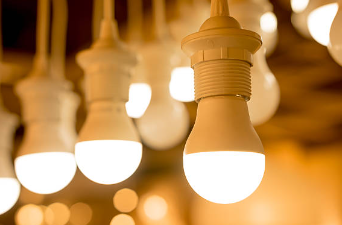
In recent years, LED bulbs have become the most popular lighting choice due to their energy efficiency, high performance, and long lifespan. LED (Light Emitting Diode) bulbs not only provide bright light but also have low energy consumption, making them an ideal choice for modern homes.
Advantages:
Energy-efficient: Compared to incandescent bulbs, LED bulbs are more energy-efficient. They can provide more light with the same power usage. LED bulbs have an energy efficiency of over 80%, which helps reduce household energy consumption.
Long lifespan: LED bulbs typically last over 25,000 hours, far longer than traditional incandescent bulbs (1,000 hours) and fluorescent bulbs (8,000 hours), reducing the need for frequent replacements.
Low heat: LED bulbs generate less heat than incandescent bulbs, which helps reduce the load on air conditioning and maintain room temperature.
Eco-friendly: LED bulbs contain no toxic substances like mercury and are more environmentally friendly than fluorescent bulbs. They are also easier to recycle when disposed of.
Smart control: Many LED bulbs support dimming, color changes, and smart control, allowing operation via smartphone or voice assistants, adding convenience to daily living.
Disadvantages:
Higher upfront cost: Although LED bulbs are energy-efficient and long-lasting, their initial purchase cost is relatively high. However, as prices drop each year, more and more households are choosing LED bulbs.
2. Incandescent Bulbs: Warm, Traditional, and Economical
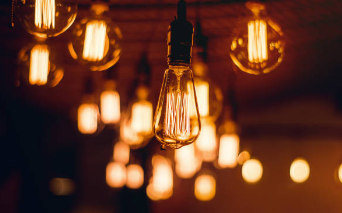
Incandescent bulbs are the most traditional lighting fixtures and are still commonly used in many homes. Although they are gradually being replaced by more efficient lighting options, they remain a popular choice due to their warm light and low initial cost.
Advantages:
Warm light: Incandescent bulbs emit a warm and soft light, creating a cozy and intimate atmosphere, making them ideal for spaces like bedrooms and living rooms.
Low upfront cost: The initial cost of incandescent bulbs is very low, making them an economical choice for households on a budget.
Disadvantages:
Low energy efficiency: Incandescent bulbs are very inefficient, as most of the electricity is converted into heat instead of light, leading to higher electricity bills.
Short lifespan: Incandescent bulbs have a short lifespan, typically around 1,000 hours. Frequent replacement increases maintenance costs.
High heat output: Incandescent bulbs produce significant heat, which can increase the burden on air conditioning, especially in warmer months.
3. Fluorescent Bulbs: Economical, Cool Light, and Eco-friendly

Fluorescent bulbs are a more energy-efficient option and are commonly used in offices, kitchens, and garages where strong lighting is needed. These bulbs generate light through gas discharge and are more energy-efficient than incandescent bulbs.
Advantages:
Energy-efficient: Fluorescent bulbs are more efficient than incandescent bulbs, using up to 80% less energy. They are a good choice for areas requiring continuous lighting.
Strong illumination: Fluorescent bulbs provide bright light, making them suitable for work or reading areas.
Lower cost: Compared to LED bulbs, fluorescent bulbs are more affordable to purchase, making them a cost-effective energy-saving option.
Disadvantages:
Cool color temperature: Fluorescent bulbs typically emit a cooler light, which some people may find harsh or unnatural, even though it provides strong illumination.
Contains mercury: Fluorescent bulbs contain trace amounts of mercury, making disposal more complicated. Special care is required if the bulb breaks, especially in homes with children or pets.
Long start-up time: Fluorescent bulbs typically take a few moments to fully illuminate, and their brightness may decrease with age.
4. Choosing the Right Bulb for Your Home
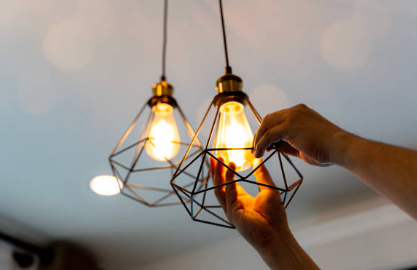
When selecting the right bulb for your home, you need to consider factors such as your budget, the purpose of the room, lighting needs, and environmental concerns. Here are some recommendations based on different scenarios:
Energy savings and long lifespan: If you prioritize energy efficiency, environmental impact, and fewer bulb replacements, LED bulbs are the best choice. They are especially ideal for high-traffic areas like the living room and kitchen.
Warm ambiance for living spaces: If you prefer warm, soft light for spaces like the bedroom or living room, incandescent bulbs remain a great option, though they are less efficient.
High brightness for workspaces: If you need bright light for tasks such as work or reading, fluorescent bulbs are a good choice. Their strong illumination and lower cost make them suitable for kitchens, garages, and other work areas.
When choosing lighting for your home, make an informed decision based on your household’s specific needs and budget. LED bulbs are undoubtedly the best option for energy savings and smart features, making them ideal for families seeking long-term savings and comfort. Incandescent bulbs remain a traditional option for those seeking a warm atmosphere, while fluorescent bulbs are great for environments that need bright, energy-efficient light. We hope this guide helps you better understand the characteristics of these three bulbs, allowing you to choose the most suitable lighting solution for your home.
https://www.aconfront.com/the-ultimate-guide-to-home-lighting-efficiency-and-cost-savings/